
Importing to Germany
Germany possesses three core advantages in the field of international trade: a high-end manufacturing industrial cluster, a globally leading export structure, and a deeply connected global trading partner network. Despite the fluctuations in the global trade landscape in 2025, it still maintained extremely strong foreign trade resilience.
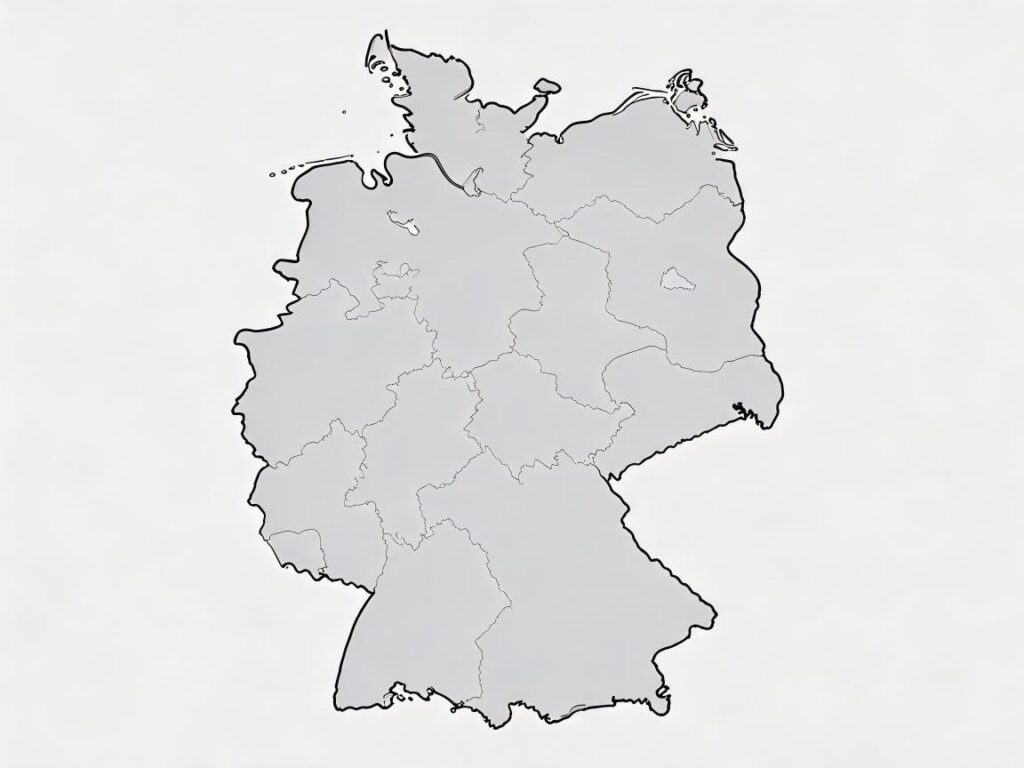
Key Requirements for Importing to Germany
Basic compliance legal framework
It is applicable to both the EU “Building Materials Regulation (CPR)” and the German “Product Safety Act (ProdSG)”. All imported building materials must simultaneously meet both the unified EU standards and the German DIN standards. Those that only comply with the Chinese national standards cannot be sold legally in the German market.
The German “Product Safety Act” clearly stipulates that all imported building materials must be marked with complete traceability information, clearly indicating the name and contact details of the manufacturer and the EU authorized representative, ensuring full traceability throughout the chain. Violators will face heavy fines.
Compulsory Certification and Technical Access Requirements
CE Certification (mandatory under CPR regulations): All building materials must undergo testing in accordance with the corresponding EU harmonized standards and be affixed with the CE mark. This is the mandatory entry requirement for entering the German market. Goods without the CE mark will be directly intercepted and returned by the German customs.
Adaptation to German DIN Standards: The German local implementation of building materials standards is stricter than the EU general standards. Even if the product already complies with the EU NEN standards, it must additionally meet the corresponding categories of DIN technical indicators to enter the German market.
Additional Approval for Special Categories: High-risk building materials such as fireproof, load-bearing, and sound insulation materials require not only CE certification but also application for German national technical recognition. A test certificate issued by the designated German official institution is required. Some customized engineering building materials can apply for project-specific approval, allowing their use only in designated construction projects.
Core requirements for customs clearance and documents
Prepare all compliance documents in advance: commercial invoice, packing list, international railway/sea transportation document, CE certification certificate, origin certificate. For wooden packaging building materials, an official plant quarantine certificate must also be provided additionally.
Complete the import declaration through the EU Single Window. The German customs will verify the validity of the CE mark through network connection. When declaring, accurate filling of the corresponding HS code for building materials is mandatory. Incorrect classification will directly result in seizure of goods and additional tax penalties.
During the customs clearance process, corresponding import taxes need to be paid: The EU uniform tariff rate for regular building materials is 0% to 7%. In addition, the German standard import value-added tax is 19%. Some special essential building materials can enjoy a 7% preferential value-added tax rate.
